

What is professional teeth whitening?
Whitening uses a peroxide gel that penetrates the enamel and breaks apart the large stain molecules trapped inside it. Nothing is removed from the tooth and no material is added — the existing enamel simply becomes lighter.
This is worth understanding because it explains both what whitening can and cannot do. It lifts discolouration that sits within the tooth structure: coffee, tea, red wine, tobacco and the natural yellowing of age. It cannot change the colour of anything that is not natural tooth — crowns, veneers, composite fillings and bonding all stay exactly as they are.
It also explains why results vary. Yellow-toned teeth respond very well, because yellow discolouration is largely organic and breaks down readily. Grey-toned teeth, particularly from tetracycline staining in childhood, respond poorly — the colour sits deeper and is structural rather than deposited.
The three methods
| Method | Peroxide strength | Time | Typical result |
|---|---|---|---|
| In-clinic (laser or light) | 35–40% hydrogen peroxide | 60–90 min, one visit | 4–6 shades |
| Custom home trays | 10–16% carbamide peroxide | 2 weeks, 1–2 hrs daily | 3–6 shades |
| Combined | Both | One visit plus 2 weeks | 6–8 shades |
| Shop-bought strips | 0.1% or less | 2–4 weeks | 1–2 shades |
The combined approach gives the best and most durable result: the in-clinic session does the heavy lifting in one sitting, and the home trays consolidate it and let you top up for years afterwards without paying again.
What whitening can and cannot reach
Enamel stains
Coffee, tea, red wine and tobacco sit on the outer layer
What whitening does
Peroxide lifts stain out of the enamel. It does not change the tooth underneath
What it cannot reach
Crowns, veneers and fillings do not change shade — they have to be replaced
How much does teeth whitening cost in Turkey?
Velsa charges £180–£380 depending on method. The equivalent in the UK is typically £350–£900, and most patients add whitening to another treatment rather than travelling for it alone.
| Treatment | Price (GBP) | Sessions | Expected shades |
|---|---|---|---|
| In-clinic whitening | £180–£240 | 1 visit | 4–6 |
| Custom home trays and gel | £150–£200 | Trays made in 1 visit | 3–6 |
| Combined, clinic plus trays | £300–£380 | 1 visit plus home | 6–8 |
| Internal whitening, per tooth | £120–£180 | 2–3 visits | Varies |
| Replacement gel syringes | £25–£40 | Top-ups | — |
What the package includes
- Examination and shade recording before and after
- A hygienist clean before whitening
- Gum protection during the in-clinic session
- The whitening procedure itself
- Custom-made trays where included
- Take-home gel syringes
- Desensitising gel for afterwards
- A personal English-speaking coordinator
- Written aftercare and diet guidance
- Photographs with a shade guide, before and after
Travelling for whitening alone
Honestly: do not. Flights will cost more than the treatment. Whitening makes sense as an addition to another trip — before veneers on the upper arch so the lower teeth match, after implant work, or alongside a dental check-up. Most Velsa whitening patients are already in Istanbul for something else.
What it costs elsewhere
£180–£380
All-inclusive with Velsa: surgeon, hospital, hotel, transfers and twelve months of aftercare
£960+
Typical saving against the UK, mid-range against mid-range, before flights
77%
Less than the typical UK price
Bars span the usual range in each market, not a single quoted figure. Non-Turkish figures are indicative market ranges rather than quotes from named providers.
US and UK figures are typically the surgeon and facility only. Flights, accommodation, transfers and follow-up are extra in those markets and included in the Velsa price, which is the comparison that actually matters.
Your own price comes from a written quote after a clinician has reviewed your case. Nothing on this chart is a quote.
Why do patients from the UK, US and Europe choose Turkey?
Patients choose Turkey for lower all-inclusive prices, experienced cosmetic dentists working with their own laboratories, modern private clinics, short waiting times and easy direct flights from most European and many US cities.
Turkey has become one of the world's leading medical travel destinations. According to Turkish industry figures reported in July 2026, the country welcomed around 1.4 million health tourists in 2025, generating over $3 billion in revenue. Cosmetic and implant dentistry is one of the most requested categories.
- Value: lower operating and living costs mean you pay less for the same standard of treatment.
- Experience: leading dental clinics in Istanbul complete cosmetic and implant cases every week.
- Speed: consultations can be arranged online within days, and treatment dates are flexible.
- Access: most UK and European airports have direct flights of around 3–4 hours.
- Recovery comfort: you recover in a hotel with a coordinator on hand, rather than managing alone at home.
Every Velsa quote names the dentist, the clinic and the laboratory before you pay, so you can check all three yourself.
Am I a good candidate for teeth whitening?
Whitening works best on healthy natural teeth with yellow-toned discolouration. It does nothing for crowns, veneers or fillings, and it will not fix grey tetracycline staining.
Whitening usually works well if
- Your teeth are naturally yellowing with age, or stained by coffee, tea, red wine or tobacco.
- Your enamel is healthy and you have no active decay.
- Your gums are healthy, with no untreated gum disease.
- You have no crowns or veneers in the visible smile — or you accept they will not change.
- You are over 18, with fully developed enamel.
- Your expectations are realistic: four to eight shades, not a transformation to the brightest possible white.
Whitening will disappoint you if
- You have grey or banded tetracycline staining, which responds poorly and may need veneers.
- Your front teeth are crowned or veneered: these cannot change colour, and whitening the rest will make the mismatch worse.
- You have large white composite fillings at the front, which will become visible as the surrounding tooth lightens.
- You have untreated decay or exposed root surfaces, both of which must be dealt with first.
- You have severe sensitivity already, though a lower-strength tray protocol may still suit you.
- You are pregnant or breastfeeding, where whitening is routinely deferred.
Our self-check below gives you an honest answer, and a Velsa dentist reviews your photographs free of charge before you commit to anything.
1-minute self-check
Will teeth whitening work for me?
Answer 6 quick questions to see whether whitening is likely to give you the result you want. No personal details needed to see your result.
Your whitening appointment, step by step
One visit of sixty to ninety minutes, usually added to a trip you are already making.
- 1Before you travel: you send photographs. A dentist assesses whether whitening will achieve what you want, and flags any crowns, veneers or fillings that will not change.
- 2Day 1 — arrival: your driver meets you at Istanbul airport and takes you to the hotel.
- 3Day 2 — examination and hygienist clean: decay and gum health are checked, and a professional clean removes surface staining first. Whitening a dirty tooth whitens the deposit, not the tooth.
- 4Day 2 — shade recording: your starting shade is recorded against a standard guide and photographed, so the result can be judged honestly rather than by memory.
- 5Day 2 — the procedure: gums and lips are isolated and protected, the peroxide gel is applied in two to four cycles of roughly fifteen minutes, and a light or laser is used to accelerate it.
- 6Day 2 — finishing: the gel is removed, desensitising gel applied, and the final shade recorded and photographed beside the starting shade.
- 7Day 2 — trays if included: impressions are taken and custom trays made for you to collect before flying home.
- 8Day 3 — fly home with your gel, trays and written aftercare instructions.
- 9The first 48 hours: the "white diet" — nothing that would stain a white shirt.
Where you will be cared for
Our partner hospital and hotel
See where you will have your surgery and where you will recover, before you travel.


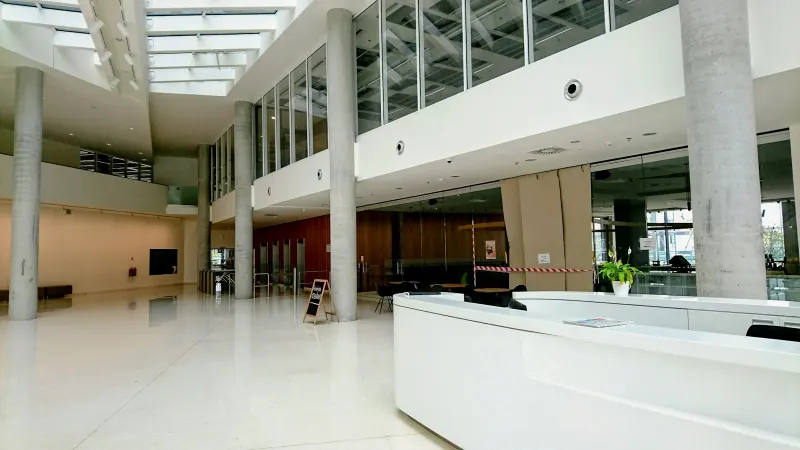

What you can check before you pay
The hospital
- Accreditation
- JCI-accredited, with the certificate number given to you in writing before any deposit.
- Licence
- Turkish Ministry of Health licence, named and verifiable independently rather than described in general terms.
- Intensive care
- On site, in the same building, for every procedure under general anaesthetic. Not "available nearby".
- Anaesthesia
- A consultant anaesthetist present throughout the operation — not supervising several theatres from elsewhere.
- Nursing
- 24-hour nursing, with an English-speaking nurse on each shift and an interpreter for clinical conversations.
Photos are not proof
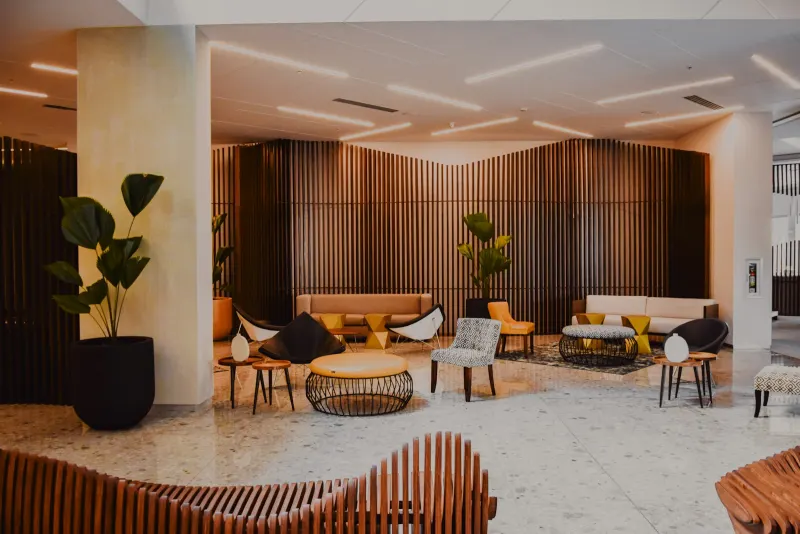
Photographs show you the rooms; they do not tell you whether there is an intensive care unit behind them. The facility is named to you in writing before you pay, with its licence and accreditation numbers, so you can verify it as well as see it.
If you want to see the building in person, ask — we can usually arrange a visit before you decide, and a provider unwilling to let you look around is telling you something.
How we verify a facility



How is in-clinic whitening performed?
Sixty to ninety minutes in the chair. Nothing is drilled, nothing is injected and no anaesthetic is needed.
- 1Hygienist clean: surface deposits are removed first, so the gel acts on enamel rather than on plaque and tartar.
- 2Shade recording: the starting shade is matched against a standard guide and photographed, with the guide in frame.
- 3Isolation: a retractor holds the lips and cheeks clear, and a resin barrier is painted along the gum line and cured. This step matters — peroxide on unprotected gums causes a painful chemical burn.
- 4Applying the gel: 35–40% hydrogen peroxide gel is applied evenly across the front surfaces of the teeth.
- 5Activation: a light or laser accelerates the reaction. The gel is left for around fifteen minutes.
- 6Repeat cycles: the gel is suctioned off and reapplied, usually two to four times depending on how your teeth are responding.
- 7Removing and protecting: the barrier is peeled away, the teeth rinsed, and a desensitising gel applied to settle the nerve response.
- 8Final shade: recorded and photographed alongside the starting shade so the change is documented rather than asserted.
After whitening: sensitivity and the white diet
Expect sensitivity to cold for one to three days and avoid anything staining for the first 48 hours, while the enamel pores are temporarily open.
- Hours 0–48: the enamel is temporarily more porous and will absorb colour readily. This is the critical window.
- Days 1–3: sensitivity to cold air and drinks is common and normal. Use the desensitising gel and a sensitive toothpaste.
- Days 3–7: sensitivity settles. The shade also settles slightly darker than it looked immediately after treatment — this rebound is expected.
- Weeks 2–3: if you have trays, this is when you use them to consolidate and push the result further.
- Months 6–12: a top-up night or two with your trays maintains the shade for a fraction of the original cost.
Is teeth whitening safe?
Professional whitening is among the safest procedures in dentistry when carried out by a dentist with proper gum protection. The risks come from unsupervised high-strength gel, not from the chemistry itself.
Velsa works with licensed dental clinics in Istanbul whose dentists are registered with the Turkish Ministry of Health. Whitening is always preceded by an examination, because applying peroxide over untreated decay or exposed roots is what turns a safe procedure into a painful one.
Risks you should know about
- Sensitivity: the most common effect, affecting a majority of patients for one to three days.
- Gum irritation: a white or sore patch where gel contacted the gum. Settles within days.
- Uneven result: existing white spots often whiten faster and look more obvious at first, then even out over a few weeks.
- Mismatched restorations: crowns, veneers and fillings do not change, and may need replacing to match afterwards.
- Rebound: the shade settles slightly darker in the first week. This is normal, not a failed treatment.
- No effect: grey tetracycline staining and some internal discolouration simply do not respond.
- Enamel damage: not a risk at professional concentrations with proper technique, but a real one with repeated unsupervised overuse.
- Nothing for root surfaces: exposed dentine at the gum line does not whiten and may become more noticeable.
If you have crowns or veneers at the front, discuss the sequence first. Whitening the natural teeth and then replacing the restorations to match is a reasonable plan; whitening afterwards is not, because the new restorations will no longer match.
Your medical team
Meet your teeth whitening team
You meet your specialist in person before treatment, and they follow your recovery until you are fully healed.
Meet the whole teamFree online consultation
Start your teeth whitening journey
- 1Share your detailsFill in the form in under a minute.
- 2Send your photosYour coordinator tells you which photos we need, via WhatsApp or email.
- 3Receive your planA specialist reviews your case and you get a written, all-inclusive quote.
Can whitening be combined with other dental treatment?
It is usually part of a sequence rather than a treatment on its own. The order matters more than anything else here.
The rule is simple: whiten natural teeth first, then make any restorations to match the new shade. Doing it the other way round leaves you with crowns that no longer match the teeth beside them.
Commonly combined with
- Upper-arch veneers: whiten the lower natural teeth so they match the new uppers. This is the single most common combination.
- A hygienist clean: always done first, as part of the appointment.
- Composite bonding: done after whitening, shade-matched to the new result.
- Gum contouring: often planned together where both colour and gum line affect the smile.
- Internal whitening: for a single dark tooth that has had root canal treatment, bleached from the inside rather than the surface.
If you are considering a full Hollywood smile, ask your dentist whether whitening plus minor bonding would get you most of the way there. For some patients it genuinely does, and it leaves every option open.
How to prepare for teeth whitening
Have any decay treated first, clear your diary of staining food for two days afterwards, and use sensitive toothpaste for a week beforehand if you are prone to sensitivity.
- Dental health: have decay and gum disease treated before whitening. Peroxide over a cavity is genuinely painful.
- Sensitivity: if your teeth are already sensitive, use a potassium nitrate toothpaste for a week or two before. It reduces the after-effect noticeably.
- Photographs: send them beforehand so your dentist can tell you honestly what shade change is realistic for your staining type.
- Restorations: list any crowns, veneers or front fillings. They will not change colour, and planning around that is better than discovering it afterwards.
- Diet: plan the 48 hours after treatment. Shop for white-diet food before you go.
- Timing: if you are whitening before a wedding or event, do it at least two weeks ahead so sensitivity settles and the shade stabilises.
Teeth whitening results and how long they last
Most patients gain four to eight shades on natural teeth. The result lasts one to three years, and can be topped up with home trays for the cost of a gel syringe.
Judge the result at one week rather than on the day. Teeth look brightest immediately after treatment because the enamel is dehydrated, and they settle slightly darker as they rehydrate over the following days. That rebound is normal and is why reputable clinics photograph against a shade guide rather than relying on the mirror in the surgery.
Longevity depends almost entirely on diet and smoking. A heavy coffee drinker who smokes may see noticeable regression within a year; someone who drinks mostly water and uses a straw for anything dark can hold the shade for three. Custom trays are what make this economical — a night or two of gel every six to twelve months maintains the result indefinitely. As consented cases are added, our dental before and after gallery shows standardised before and after shots.
FAQ
Teeth whitening in Turkey: frequently asked questions
At Velsa, £180–£240 for an in-clinic session, £150–£200 for custom home trays, or £300–£380 for both. The UK equivalent is typically £350–£900. Most patients add it to a trip they are already making, since flights would cost more than the treatment.
Typically four to six shades from an in-clinic session, and six to eight if you combine it with home trays. Yellow-toned teeth respond best. Grey tetracycline staining responds poorly and may need veneers instead.
Not at professional concentrations applied correctly. Whitening works by breaking down stain molecules within the enamel, not by removing tooth structure. The real risk is repeated overuse of unsupervised high-strength gel bought online.
No. Porcelain and composite do not change colour. If you have restorations in your visible smile, whitening the natural teeth around them will make the mismatch more obvious, and you may need those restorations replaced to match.
The procedure itself is not — no drilling, no injection. Afterwards, sensitivity to cold for one to three days is common. Desensitising gel and a sensitive toothpaste manage it, and it settles completely.
One to three years, depending on how much coffee, tea, red wine and tobacco you consume. With custom trays you can top up for a night or two every six to twelve months at the cost of a gel syringe.
For 48 hours after treatment, avoid anything that would stain a white shirt — coffee, tea, red wine, cola, curry, tomato sauce, berries, soy sauce and smoking. The enamel is temporarily porous and will absorb colour readily.
Before, always. Whiten the natural teeth first, then have any veneers or crowns made to match the new shade. Doing it the other way round leaves restorations that no longer match the teeth beside them.
Usually yes, but tell your dentist. A lower-strength tray protocol over a longer period is far gentler than a single high-strength session, and using a potassium nitrate toothpaste for a fortnight beforehand makes a real difference.
Staining type. Yellow discolouration from food, drink and ageing breaks down readily. Grey and banded staining, usually from tetracycline antibiotics taken in childhood, sits deeper in the tooth structure and responds poorly to any amount of peroxide.
Faster, not necessarily better. The light accelerates the reaction so you see most of the change in one visit, but a well-used tray system over two weeks reaches a similar place. Combining them gives the strongest and most durable result.
It is routinely deferred. There is no strong evidence of harm, but elective cosmetic treatment involving peroxide is normally postponed until after pregnancy and breastfeeding as a precaution.
Medical disclaimer: This page is for general information only and does not replace a consultation with a qualified surgeon. Prices depend on your individual assessment. Every surgery carries risks, and individual results vary.