

What is a facelift?
A facelift, or rhytidectomy, is an operation that lifts and repositions the sagging tissues of the lower face and neck and removes excess skin. It improves jowls, a softened jawline, deep folds between the nose and mouth and a loose neck. Modern facelifts lift the deeper layers, not just the skin, for a natural result.
With age, the face loses volume and elasticity, and the tissues that support the cheeks slowly slide downwards. The result is jowls along the jawline, deeper nose-to-mouth folds, marionette lines and a looser neck. A facelift turns back these changes by lifting the tissues to where they used to be, rather than simply pulling the skin tighter.
Not every facelift is the same. The main difference between techniques is which layer the surgeon lifts: the skin only, the SMAS (the firm muscle-and-tissue layer under the skin and fat), or everything together in the deep plane. The deeper the lift, the more it can reposition, and the less tension the skin has to carry.
Types of facelift explained
- Mini / skin liftOnly the skin is lifted
- SMAS liftSMAS tightened separately
- Deep plane liftSkin, fat and SMAS lifted as one unit
| Type | What is lifted | Best for |
|---|---|---|
| Mini facelift | Mainly the skin and a little of the SMAS, through a shorter incision in front of the ear | Early jowling and mild sagging, usually in your 40s |
| SMAS facelift | Skin lifted separately; the SMAS is tightened with stitches or trimmed | Moderate sagging of the lower face and jawline |
| Deep plane facelift | Skin, fat and SMAS lifted together after releasing the retaining ligaments | Sagging cheeks, jowls and deep folds, with a very natural look |
| Face and neck lift | A facelift plus the neck muscles (platysma) and loose neck skin | Jowls together with a loose neck or neck bands |
| Mid-face lift | The cheek tissue below the eyes, often through small hidden incisions | Flattened cheeks and hollows under the eyes, with little jowling |
Considering the most advanced technique? Read our in-depth guide to the deep plane facelift in Turkey.
What a facelift actually lifts
Skin only
Pulls the skin alone. It is why old facelifts looked tight and did not last
SMAS lift
Lifts the layer under the skin as well, which is what holds the result
Deep plane
Releases the ligaments and moves skin and muscle together — the longest-lasting
How much does a facelift cost in Turkey?
At Velsa, a facelift in Turkey costs £2,800–£6,500 in 2026 as an all-inclusive package. A mini facelift sits at the lower end, a SMAS face and neck lift in the middle, and a deep plane face and neck lift or a facelift combined with eyelid surgery at the upper end. Your exact price depends on your face, the technique and your length of stay.
| Procedure | Price (GBP) | Hospital nights |
|---|---|---|
| Mini facelift | £2,800–£3,500 | 1 |
| SMAS face and neck lift | £3,500–£4,800 | 1 |
| Deep plane facelift (mid and lower face) | £4,000–£5,000 | 1 |
| Deep plane face and neck lift | £4,500–£5,800 | 1 |
| Facelift + upper and lower eyelid surgery | £4,800–£6,500 | 1 |
Prices are for 2026 and include surgery, hospital stay, hotel and transfers. US dollar and euro prices vary with exchange rates. Your exact price is confirmed in writing after your online assessment.
Facelift cost: Turkey vs other countries
A facelift in Turkey costs a fraction of the price in the UK, Ireland, the US or Australia, and less than in most of Europe. Elsewhere you usually pay for the operation alone, while a Velsa package also includes your hotel, airport transfers and a personal coordinator.
What it costs elsewhere
£2,800–£6,500
All-inclusive with Velsa: surgeon, hospital, hotel, transfers and twelve months of aftercare
£6,900+
Typical saving against the UK, mid-range against mid-range, before flights
60%
Less than the typical UK price
Bars span the usual range in each market, not a single quoted figure. Figures are the published ranges for each market.
US and UK figures are typically the surgeon and facility only. Flights, accommodation, transfers and follow-up are extra in those markets and included in the Velsa price, which is the comparison that actually matters.
Your own price comes from a written quote after a clinician has reviewed your case. Nothing on this chart is a quote.
What is included in a Velsa facelift package?
- Online assessment and in-person consultation with your plastic surgeon
- Pre-operative blood tests, ECG and anaesthetist review
- The operation, anaesthetic and operating theatre
- Hospital stay with nursing care (1 night)
- Facial compression garment and take-home medication
- Hotel accommodation for your recovery
- VIP airport, hotel and clinic transfers
- An English-speaking patient coordinator throughout your stay
- Post-operative check-ups, drain and stitch removal before you fly
- Remote follow-up with your surgeon once you are home
What affects the price?
Your final quote depends on the technique (mini, SMAS or deep plane), whether the neck is included, whether you add eyelid surgery, a brow lift or fat transfer, the surgeon's experience, the hospital category and the number of nights you need. When comparing quotes, always ask which layer of the face will be lifted: two operations called a "facelift" can be very different procedures.
Which type of facelift is right for me?
The right facelift depends on how much sagging you have and where. Early jowling may only need a mini facelift; moderate sagging of the lower face usually suits a SMAS facelift; and sagging cheeks, deep folds and a loose neck are usually best treated with a deep plane face and neck lift. Your surgeon recommends the technique after examining your face.
- Mainly early jowls, good skin quality: a mini facelift can sharpen the jawline with a shorter scar and a quicker recovery, but its effect usually lasts less long than a full facelift.
- Jowls and a softer jawline, with some neck laxity: a SMAS face and neck lift gives a reliable, long-lasting improvement of the lower face and neck.
- Sagging cheeks, deep nose-to-mouth folds and jowls: a deep plane facelift repositions the cheek as well as the jawline, with less tension on the skin.
- A loose neck or visible neck bands: a neck lift is added to tighten the neck muscles through a small incision under the chin.
- Tired eyes or a heavy brow: a facelift does not change the eyes, so eyelid surgery or a brow lift is often combined.
- Mainly volume loss or fine lines: fillers, fat transfer or skin treatments may help more than a facelift.
Why do patients from the UK, US and Europe choose Turkey for a facelift?
Patients choose Turkey for a much lower all-inclusive price, experienced facial plastic surgeons, modern private hospitals, short waiting times and a comfortable hotel recovery away from home, where the bruising stage can pass privately.
Turkey has become one of the world's leading medical travel destinations. According to Turkish industry figures reported in July 2026, the country welcomed around 1.4 million health tourists in 2025, generating over $3 billion in revenue. Aesthetic surgery is one of the most requested categories.
- Value: a face and neck lift in the UK often costs two to three times as much as a complete Velsa package.
- Experience: leading surgeons in Istanbul perform facial rejuvenation surgery every week, including deep plane techniques.
- Privacy: you spend the most visible part of your recovery, when bruising and swelling are at their peak, away from home.
- Speed: consultations can be arranged online within days, and surgery dates are flexible.
- Access: most UK and European airports have direct flights of around 3–4 hours.
Facelifts remain one of the most common cosmetic operations: the American Society of Plastic Surgeons recorded 79,058 facelifts in the US in 2024, along with 22,445 neck lifts.
Am I a good candidate for a facelift?
You may be a good candidate if you have jowls, a softened jawline, deep nose-to-mouth folds or a loose neck, are in good general health, do not smoke (or can stop), have well-controlled blood pressure and have realistic expectations. Most patients are in their mid-40s to 70s.
- Your jawline has lost its definition and you have jowls
- You have deep nasolabial folds or marionette lines
- You have loose skin or bands on your neck
- You do not smoke, or you can stop at least 6 weeks before and after surgery
- Your blood pressure is normal or well controlled
- You want to look refreshed and natural, not different
Your facelift journey in Turkey, day by day
Most patients stay in Turkey for 7 to 10 days: arrival and consultation on day one, surgery on day two, one night in hospital, then hotel recovery with check-ups and stitch removal until your surgeon clears you to fly.
-
Before you travel
Free online assessment
Send front and side photos of your face and neck, and your medical history. A plastic surgeon reviews your case, recommends a technique and you receive a personal plan and written quote.
-
Day 1
Arrival and consultation
Your driver meets you at the airport. You meet your surgeon, agree the final plan and complete your blood tests and anaesthetist review.
-
Day 2
Surgery day
The operation takes 2–5 hours, depending on the technique and whether the neck and eyelids are included. You wake up with a soft compression dressing around your face.
-
Day 3
Dressing change and back to the hotel
Your surgeon checks your face, changes the dressing and usually removes any drains. You move to your hotel with your coordinator on call.
-
Days 4–7
Rest and check-ups
Swelling and bruising peak and then begin to settle. Keep your head raised, walk little and often and go to your scheduled check-ups.
-
Days 7–10
Stitch removal and flight home
Most stitches are removed, and once your surgeon confirms you are fit to fly, you head home with your aftercare plan.
-
At home
Remote aftercare
Share progress photos and questions with your coordinator and surgeon. We recommend telling your GP or doctor about your surgery.
1-minute self-check
Am I a good candidate for a facelift?
Answer 7 quick questions to see if a facelift could be right for you, and which type might suit you. No personal details needed to see your result.
Where you will be cared for
Our partner hospital and hotel
See where you will have your surgery and where you will recover, before you travel.


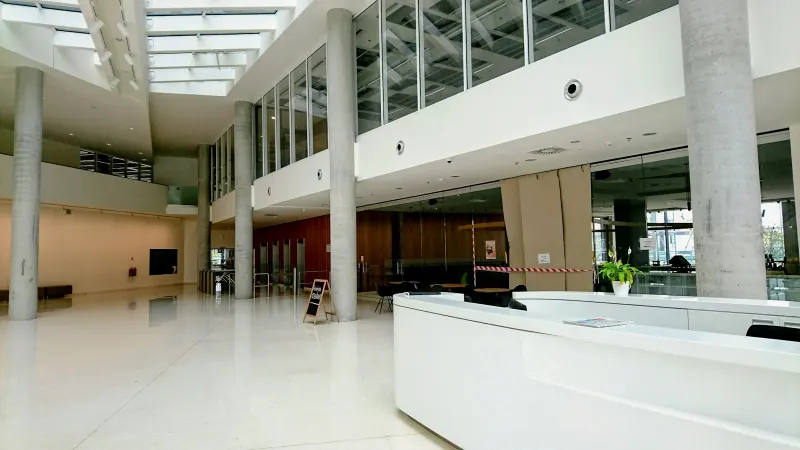

What you can check before you pay
The hospital
- Accreditation
- JCI-accredited, with the certificate number given to you in writing before any deposit.
- Licence
- Turkish Ministry of Health licence, named and verifiable independently rather than described in general terms.
- Intensive care
- On site, in the same building, for every procedure under general anaesthetic. Not "available nearby".
- Anaesthesia
- A consultant anaesthetist present throughout the operation — not supervising several theatres from elsewhere.
- Nursing
- 24-hour nursing, with an English-speaking nurse on each shift and an interpreter for clinical conversations.
Photos are not proof
Photographs show you the rooms; they do not tell you whether there is an intensive care unit behind them. The facility is named to you in writing before you pay, with its licence and accreditation numbers, so you can verify it as well as see it.
If you want to see the building in person, ask — we can usually arrange a visit before you decide, and a provider unwilling to let you look around is telling you something.
How we verify a facility




Facelift: fast facts
A facelift takes about 2–5 hours depending on the technique, usually under general anaesthetic, needs one night in hospital and a 7–10 day stay in Turkey, and lets most people return to work after 2–4 weeks. The final result shows after 6–9 months and lasts for many years.
| Facelift | |
|---|---|
| Operation time | About 2 hours for a mini facelift; 3–5 hours for a face and neck or deep plane lift |
| Anaesthesia | General anaesthetic, or deep sedation with local anaesthetic |
| Hospital stay | 1 night |
| Time in Turkey | 7–10 days |
| Stitches removed | After 7–14 days |
| Visible bruising | About 2 weeks |
| Back to work and social life | 2–4 weeks |
| Exercise | Light after 3–4 weeks; full after about 6 weeks |
| Final result | 6–9 months |
| How long it lasts | Many years; often 10 years or more for a full facelift |
| Scars | Hidden in the hairline and the natural creases around the ear |
| Velsa price | £2,800–£6,500 all-inclusive |
How is a facelift performed?
Your surgeon makes an incision hidden in the hairline and around the ear, lifts the skin, tightens or repositions the deeper SMAS layer depending on the technique, treats the neck through a small cut under the chin if needed, removes only the excess skin and closes the incisions without tension.
Mini facelift
Short incision, mainly skin
Deep plane facelift
Cheeks and jowls lifted as one unit
Deep plane face and neck lift
Adds the neck and a small incision under the chin
- 1Anaesthesia: usually a general anaesthetic, or deep sedation with local anaesthetic, given by a specialist anaesthetist.
- 2Incision: starts in the temple hairline, runs along the natural creases in front of the ear, around the earlobe and, for a full facelift, into the hairline behind the ear. A mini facelift uses a shorter incision.
- 3Lifting the deeper layer: depending on the technique, the SMAS is tightened with stitches, partly removed, or released and lifted together with the skin in the deep plane.
- 4Repositioning: the cheek, jowl and neck tissues are lifted upwards and backwards and secured in their new position.
- 5Neck lift (optional): a small incision under the chin allows the surgeon to tighten the neck muscles and remove neck bands.
- 6Closure: only the excess skin is trimmed, and the incisions are closed without tension for finer scars. Small drains and a compression dressing may be placed.
Facelift recovery timeline
Expect bruising and swelling for about 2 weeks, most stitches out within 7–14 days and a return to work and social life after 2–4 weeks, which matches the NHS guidance. The full effect of a facelift can take 6–9 months to show. Some numbness around the ears and cheeks is normal and usually settles within a year or so.
| When | What to expect |
|---|---|
| Days 1–3 | Tightness, swelling and mild discomfort, controlled with medication. Keep your head raised, including when you sleep. |
| Week 1 | Swelling and bruising peak and then begin to settle. Drains are removed early and most stitches come out after 7–10 days. |
| Week 2 | Most visible bruising fades. Many people feel comfortable going out, with a little make-up to cover any yellowing. |
| Weeks 2–4 | Most people return to work and social plans. Light exercise can usually restart after 3–4 weeks. |
| 6 weeks | Most swelling has settled and you can return to full exercise when your surgeon agrees. |
| 3 months | The face looks natural at rest and in movement; residual firmness along the jaw softens. |
| 6–9 months | The final result is visible. Scars continue to fade and numbness gradually improves. |
Understanding possible reactions after a facelift
Swelling, bruising, a feeling of tightness, numbness around the ears and cheeks and some firmness along the jawline are normal after a facelift and settle gradually over weeks to months. Sudden swelling on one side, increasing pain, fever or weakness in facial movement are not normal and should be reported straight away.
What is normal
- Swelling and bruising: at their peak in the first 3–5 days, mostly gone after about 2 weeks.
- Tightness: the face and neck feel tight, especially when you turn your head or open your mouth wide.
- Numbness: around the ears, cheeks and neck, usually improving over 12 to 18 months.
- Firmness and small lumps: along the jawline and under the skin, softening over the first 3 months.
- Shooting or tingling sensations: a normal sign of nerves recovering, sometimes for months.
- Uneven swelling: one side can look more swollen than the other for a few weeks.
- Tiredness and low mood: common in the first week or two after any major operation.
Facelift aftercare
Good aftercare means keeping your head raised, wearing your facial garment as instructed, looking after your incisions, keeping your blood pressure calm, avoiding alcohol, smoking and strenuous activity, protecting your scars from the sun and attending every check-up, including remote follow-ups once you are home.
In Turkey (first 7–10 days)
- Sleep on your back with your head raised on two or three pillows, and avoid bending forward.
- Wear your facial compression garment exactly as your surgeon advises.
- Use cold compresses when advised to reduce swelling, never directly on the skin.
- Keep your incisions clean and dry, and use only the ointments your surgeon gives you.
- Take your medication as prescribed and avoid aspirin, ibuprofen and supplements that thin the blood unless your surgeon agrees.
- Walk little and often to support your circulation, and attend your dressing changes and stitch removal.
At home (weeks 2–12)
- Wash your hair gently with mild shampoo once your surgeon allows it, and avoid hot hairdryers on the scars.
- Do not colour your hair for about 4–6 weeks.
- Avoid saunas, hot baths, heavy lifting and strenuous exercise until your surgeon agrees.
- Protect your scars from the sun with a hat and a high-factor sunscreen for at least 12 months.
- Start scar care, such as silicone gel, and gentle massage only when your surgeon advises.
- Send progress photos to your coordinator at the agreed intervals so your surgeon can follow your recovery.
Is it safe to have a facelift in Turkey?
A facelift in Turkey can be as safe as at home when it is performed by a qualified plastic surgeon in a licensed and accredited hospital, with proper pre-operative checks, enough time before flying and a clear aftercare plan. Serious complications are uncommon.
Every facelift carries risks, wherever it is performed. The NHS lists possible complications including nerve injury, facial asymmetry, hair loss around the scars, thick scars, healing problems, excessive bleeding, blood clots, infection and a reaction to the anaesthetic. A collection of blood under the skin (haematoma) is the most common early complication, which is one reason your blood pressure is monitored closely after surgery.
Large studies are reassuring. An analysis of 11,300 facelift patients, published in the Aesthetic Surgery Journal in 2016, found a major complication rate of 1.8%, with haematoma in 1.1% and infection in 0.3%. The risk was higher when a facelift was combined with other operations (3.7% vs 1.5%), and men had a higher risk of haematoma.
Checklist: how to choose a safe clinic abroad
- Confirm your surgeon is a board-certified plastic, reconstructive and aesthetic surgeon, and ask how many facelifts they perform each year.
- Ask exactly which technique and which layer will be lifted, and why it suits your face.
- Check that the hospital is licensed by the Turkish Ministry of Health for international patients, and ask about accreditations.
- Make sure you meet your surgeon in person before surgery and can communicate clearly.
- Ask to see before and after photos of the surgeon's own facelift patients, taken from the side and at rest.
- Get a written quote that lists everything included, and ask what happens if a revision is needed.
- Check your travel insurance: standard policies usually do not cover complications from planned surgery, so consider specialist cover.
Your medical team
Meet your facelift team
You meet your specialist in person before treatment, and they follow your recovery until you are fully healed.
Meet the whole teamFree online consultation
Start your facelift journey
- 1Share your detailsFill in the form in under a minute.
- 2Send your photosYour coordinator tells you which photos we need, via WhatsApp or email.
- 3Receive your planA specialist reviews your case and you get a written, all-inclusive quote.
Can a facelift be combined with other procedures?
Yes. A facelift is often combined with a neck lift, upper or lower eyelid surgery, a brow lift, fat transfer to restore lost volume, or a lip lift, provided your surgeon considers the total operating time safe for you.
A facelift rejuvenates the lower two thirds of the face, but tired eyes or a heavy brow can still make you look older. Combining procedures means one anaesthetic, one recovery and one trip. Popular combinations include eyelid surgery, a brow lift, fat transfer and a lip lift.
Facelift vs non-surgical treatments
| Facelift | Fillers and thread lifts | |
|---|---|---|
| Lifts sagging tissue | Yes, repositions cheeks, jowls and neck | Limited; fillers add volume, threads give a small lift |
| Removes loose skin | Yes | No |
| Downtime | About 2–4 weeks | A few days |
| How long it lasts | Many years | Months, usually up to 1–2 years |
| Ideal for | Moderate to advanced sagging | Early changes, or maintenance after a facelift |
How to prepare for your facelift
Stop smoking and nicotine at least 6 weeks before surgery, make sure your blood pressure is controlled, review your medication and supplements with your surgeon, arrange 2–4 weeks away from work and social plans, and pack front-opening clothing.
- Medication: tell your surgeon about everything you take. Aspirin, blood thinners, fish oil, vitamin E and some herbal supplements increase bleeding and may need to be paused.
- Smoking: nicotine reduces blood flow to the skin and significantly increases the risk of wound-healing problems. BAAPS advises stopping at least 6 weeks before surgery.
- Blood pressure: high blood pressure increases the risk of bleeding after a facelift, so have it checked by your doctor before you travel.
- Hair: keep your hair at least shoulder-length if you can, and colour it before surgery, as you will not be able to for several weeks afterwards.
- Packing list: front-opening or button-up tops, a travel neck pillow, a headscarf or hat, sunglasses and your regular medication.
Facelift results and scars
A facelift gives a long-lasting improvement: a full SMAS or deep plane facelift often lasts 10 years or more, while a mini facelift usually lasts less long. The face keeps ageing naturally, but you will usually keep looking younger than you would have without surgery. Scars are hidden in the hairline and around the ear and fade to fine lines.
You will look swollen at first, and according to the NHS it can take 6 to 9 months to see the full effect of a facelift. When the deeper layers carry the lift, the skin is not stretched, so the result tends to look natural and ages gracefully. Healthy habits, sun protection and a stable weight help your result last. Numbness around the ears and cheeks is normal and usually resolves within 12 to 18 months. As consented cases are added, our before and after gallery shows real patient outcomes.
FAQ
Facelift in Turkey: frequently asked questions
At Velsa, a facelift in Turkey costs £2,800–£6,500 in 2026 as an all-inclusive package covering the surgeon, hospital stay, hotel and transfers. A mini facelift costs £2,800–£3,500, a SMAS face and neck lift £3,500–£4,800 and a deep plane face and neck lift £4,500–£5,800.
Yes. In the UK a private facelift usually costs £8,000–£15,000 for the surgery alone, and the NHS notes that a face and neck lift can cost around £10,000. A Velsa all-inclusive package in Turkey costs £2,800–£6,500, including accommodation and transfers.
There is no single best facelift for everyone. A mini facelift suits early jowling, a SMAS facelift suits moderate sagging of the lower face, and a deep plane facelift suits sagging cheeks, deep folds and jowls when you want the most natural, long-lasting lift. Your surgeon will recommend the technique after examining your face.
A mini facelift uses a shorter incision in front of the ear and mainly lifts the skin and a little of the deeper tissue, so recovery is quicker but the effect is smaller and usually lasts less long. A full facelift lifts the deeper SMAS layer across the lower face and often the neck, for a bigger, longer-lasting result.
Most patients stay 7 to 10 days. This allows for one night in hospital, dressing changes, drain and stitch removal and a fit-to-fly check before you travel home.
A full facelift often lasts 10 years or more, while a mini facelift usually lasts less long. The face continues to age naturally, but you will usually keep looking younger than you would have without surgery.
Most patients describe tightness and discomfort rather than sharp pain. It is well controlled with medication and usually improves significantly within the first week.
Most people return to work and social plans after about 2 to 4 weeks, once visible bruising has faded. The NHS advises allowing 2 to 4 weeks to recover fully from a facelift.
Scars are placed in the temple hairline and the natural creases in front of and behind the ear, and usually fade to fine lines over 12 months. With your hair down, they are rarely noticeable.
There is no ideal age. Most patients are between their mid-40s and 70s. What matters more is the degree of sagging in your cheeks, jawline and neck, your skin quality and your general health.
Most surgeons advise waiting until your stitches have been checked or removed, usually 7 to 10 days after surgery, because flying soon after an operation increases the risk of blood clots. Your surgeon will confirm when you are fit to fly.
With Velsa you keep direct contact with your coordinator and surgeon after you fly home, so photos and questions can be reviewed quickly. We also recommend that you inform your GP or local doctor about your surgery and seek urgent local care for any emergency.
Medical disclaimer: This page is for general information only and does not replace a consultation with a qualified surgeon. Prices depend on your individual assessment. Every surgery carries risks, and individual results vary.